Artificial Intelligence (AI), and particularly generative AI, continues to be a hot topic in the music industry. While there is ongoing debate around its impact on creators and creativity, at the heart of the conversation are copyright and performers’ rights.
These rights are the foundation that protects performers and recording rightsholders, enabling them to earn income from their work – not only during their careers, but well into the future.
A music career can be unpredictable. While some enjoy long-term success, for many it is challenging to sustain a steady income. That’s why the rights performers hold, and the royalties that flow from them, can offer essential financial support, including later in life or after the performer has passed away.
In a growing number of countries around the world, including the UK, performers are entitled to receive equitable remuneration when their recordings are used on radio, TV or in public spaces. These royalties, often referred to as neighbouring rights, last for 70 years after a recording’s release.
In the UK, this right is non-transferable during a performer’s lifetime but becomes part of their estate once they pass away. That means family members, heirs, or chosen charitable causes can continue to receive payments from the use of a performer’s music.
At PPL, we work closely with estates and beneficiaries to ensure that they receive this income. As just one example, in 2024 the estate of John Lennon appointed PPL to collect royalties for recordings where he is listed as a performer. But it’s not just household names who benefit; we work with and distribute royalties to estates of all sizes, including session musicians and non-featured performers whose contributions remain in regular use.
Another key aspect of long-term income is Annual Supplementary Remuneration (ASR), an additional right for performers introduced when UK law extended the copyright term from 50 to 70 years. This change, which came into effect in 2013, means session musicians who performed on recordings that are now in their extended term of copyright protection (currently recordings released from 1963 to 1973) may be eligible for ASR.
PPL administers the distribution of these payments on behalf of record companies, making distributions each year in December. Over the past decade, PPL has collected a total of £15.5 million on behalf of over 15,000 non-featured performers from the UK and around the world, with funds allocated based on detailed performance and rights data.
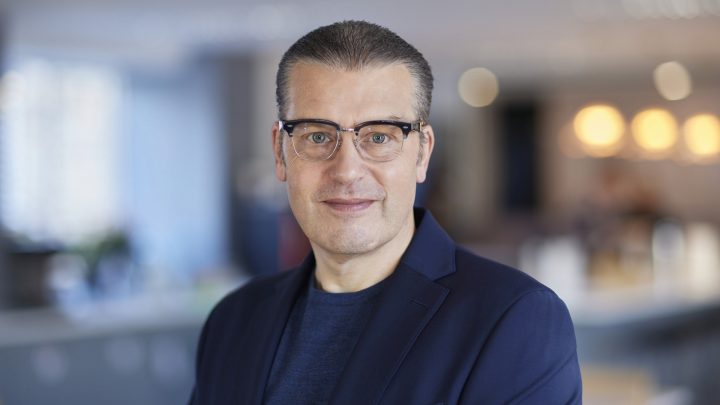
“The longer term of copyright protection makes it even more likely that it may be a performer’s beneficiary, rather than the performer themselves, who may be entitled to PPL payments,” Camilla Waite, PPL’s General Counsel, explains.
PPL processes a vast volume of data in making these payments, including over one billion rows of calculation data across our own systems and those of our collective management organisation (CMO) partners around the world.
When a performer passes away, we take steps to identify their estate’s personal representative – but we encourage all members to help future-proof their rights by updating their will to include instructions about their PPL membership and nominated beneficiaries.
We also recommend that members let their executors know that they are a registered PPL member and ensure PPL has up-to-date contact details. This small step can make a significant difference in securing a performer’s legacy.
Amid growing calls for changes to copyright laws, Waite says: “Any proposal to soften the UK’s position on copyright is taking away an artist’s right to build a sustainable career out of their work. Relaxing the current copyright protections for big technology companies would be a wild punt against the creative sector that is already contributing over £120bn to the economy – and be counterproductive to the government’s own growth ambitions.”
Our commitment to performers and rightsholders is that we will continue to champion music rights and advocate for protection for the rights of our members, whether from traditional broadcast licensing, the use of music in public spaces or any new licensing streams such as AI, helping ensure our members get paid fairly for their music when it is played.
By taking steps now to protect their legacy, performers can help ensure their music continues to support the people and causes that matter to them most.