
Reggae has shaped global music culture for decades, influencing genres and artist far beyond its roots in Jamaica. But behind that cultural reach sits an industry built around the rights of performers and recording rightsholders.
For Joy Ellington, a music executive and member of PPL’s Board of Directors, understanding those rights is just as important as the music itself.
Joy has spent much of her career working within reggae and Black music, including roles at influential labels Jet Star and VP Records – organisations that helped bring reggae and dancehall from specialist scenes to international audiences while supporting independent artists and labels.
Her experience across artist development, catalogue management and independent rightsholders now informs her role on PPL’s Board of Directors, where she contributes to the organisation’s governance and strategic oversight.
Through that work, she has seen first-hand how important it is for artists to understand the business of their music. “Creativity drives music, but understanding the business behind it is what sustains careers,” she says.
“It is important that every performer, label manager and artist manager understands copyrights, publishing, royalties, contracts and both physical and digital distribution.”
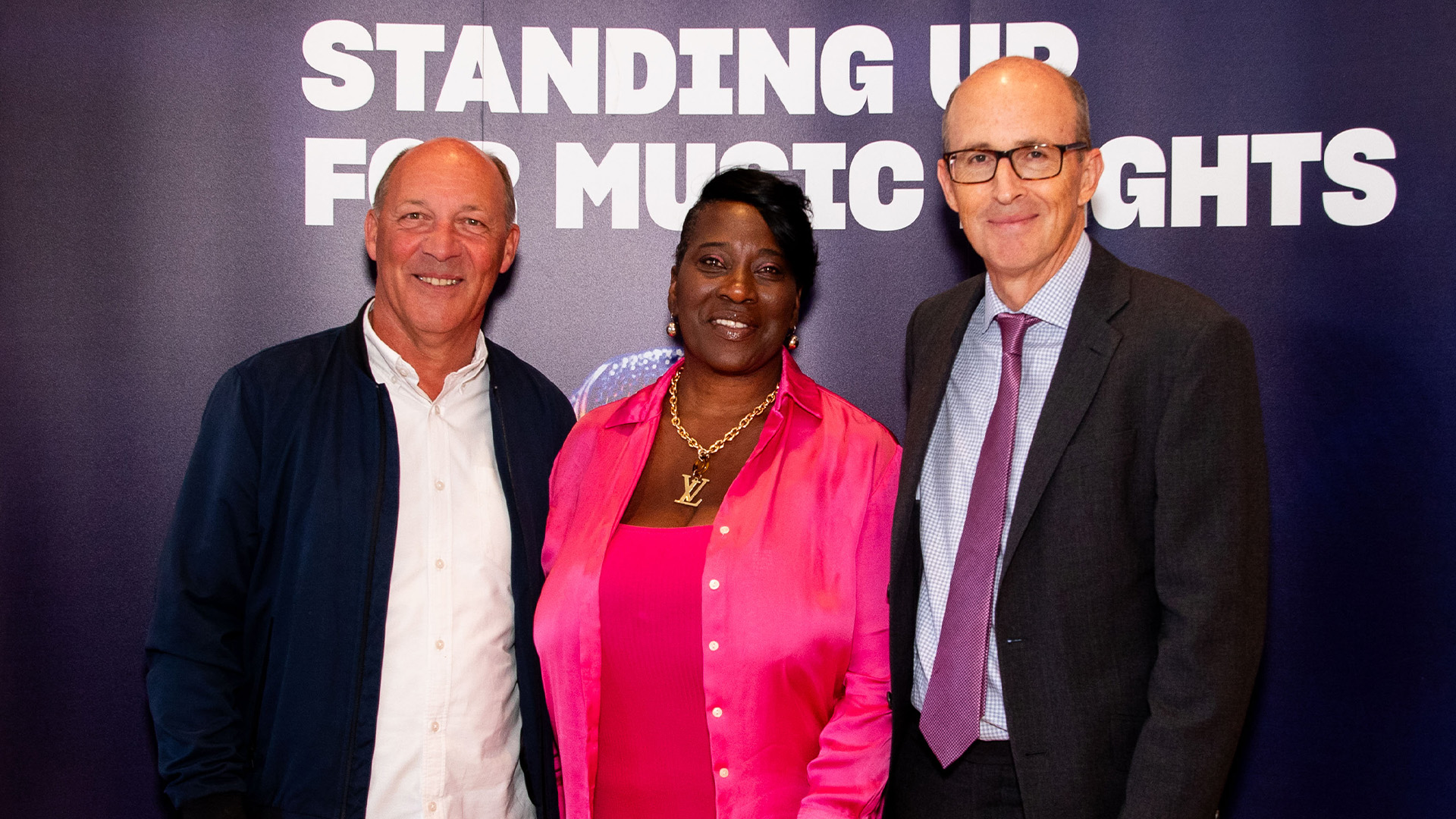
Having that knowledge, she adds, helps creators protect their work and ensure they are properly paid for it. “Talent opens doors. Business knowledge keeps them open.”
Organisations such as PPL play an important role in supporting that knowledge. Through our licensing work and outreach, we work to help performers and recording rightsholders understand how their recordings are used and how royalties are distributed when music is broadcast or played in public.
Cultural significance
While reggae’s influence is widely recognised, Joy believes the deeper meaning within the music is sometimes overlooked by audiences outside the culture.
Reggae’s influence is reflected in UK Music’s Black Music Means Business report, which identifies the genre as part of the cultural bedrock of Black British music. The study highlights the significant economic and cultural contribution of Black Music to the UK over the past 30 years, while also pointing to ongoing gaps in representation and equity. Its findings echo the importance of protecting creator rights and ensuring the people behind the music are properly recognised and rewarded.
“Reggae, dancehall and reggae gospel carry the heartbeat of their communities,” she says. “They tell stories of struggle, resistance, faith, love and resilience in a way that people across many different borders can connect with.”
For Joy, the music’s cultural significance sits alongside its commercial importance. Ensuring that the creators behind those recordings are properly recognised and compensated remains essential to the genre’s long-term health.
Protecting the people behind the music
Joy believes proper rights management is critical in genres such as reggae and dancehall, where independent artists and labels have long played a central role.
“It ensures that artists are compensated, preserves the music’s cultural heritage and enables independent labels to share these sounds worldwide with integrity and authenticity,” she explains.
This principle aligns closely with PPL’s mission. By licensing the use of recorded music and distributing royalties to performers and recording rightsholders, PPL helps ensure the people behind recordings are paid when their music is played in public or broadcast.
Joy’s experience within the reggae and independent music communities also helps support greater awareness of neighbouring rights and the importance of properly registering recordings and contributions.
The future of reggae
Today, reggae and dancehall continue to reach new audiences through digital platforms and international collaborations. A new generation of artists is expanding the genre’s global reach while remaining connected to its cultural foundations.
For Joy, the future of reggae will depend on both creative evolution and stronger industry understanding. From the growth of digital audiences to the revival of physical formats such as vinyl, the genre continues to adapt while maintaining its identity.
“Reggae continues to connect generations and expand its global reach,” she says. “It is actively shaping its future while honouring its legacy.”